
Suffolk-ating local democracy: Worrying signs as Reform UK gets to work
A story of Nigel Farage, Lee Anderson, Zia Yusuf, Robert Jenrick, Richard Tice - and local councillors who seem to have very mixed views on what to do with the local media

TL;DR:
Reform UK’s leaders in Suffolk have said they won’t be talking to the local media.
It’s not the first time Reform UK local leaders have banned local press.
The party’s national leaders say they welcome scrutiny.
MP Lee Anderson was caught telling campaigners in the West Midlands to not talk to the media, before speaking to the media himself.
Hope is to be found in Reform MP Robert Jenrick, who makes a point of working with local media.
One editor has urged other editors to join her in making sure all newsrooms stand up to attempts to stifle local journalism.
Hello,
For all the talk of political earthquakes in last week’s local elections, it may well be that it’s only this week that local journalism will start to feel the aftershocks. And no, we’re not talking about what happens to the Local Media Strategy if Sir Keir Starmer is pushed out, a new cabinet is formed and the whole Labour government is reset!
Reform UK running councils isn’t new - they picked up a handful of county council authorities last year - and, if senior Reform UK political Zia Yusuf is to be believed, those authorities have been subjected to far more scrutiny than they would if they had been held by Labour or the Tories.
“We welcome scrutiny,” Mr Yusuf told BBC Breakfast on Saturday. Which is just as well given that already we’ve seen councillors elected only on Thursday resigning due to media scrutiny.
EssexLive reported yesterday lunchtime that newly-elected Stuart Prior had quit roles he won last week on both Rochford District Council and Essex County Council after his membership of Reform UK was revoked. The Mirror had earlier revealed social media posts from Mr Prior which suggested he thought white people were ‘the master race. He is also reported to have said "good" and "reap it" in reference to women being raped.
But if Mr Yusuf is speaking an official party policy about scrutiny, then it would appear to be one in need of further communication, if the early experience of Ipswich.co.uk is anything to go by.
“Not your paycheck”
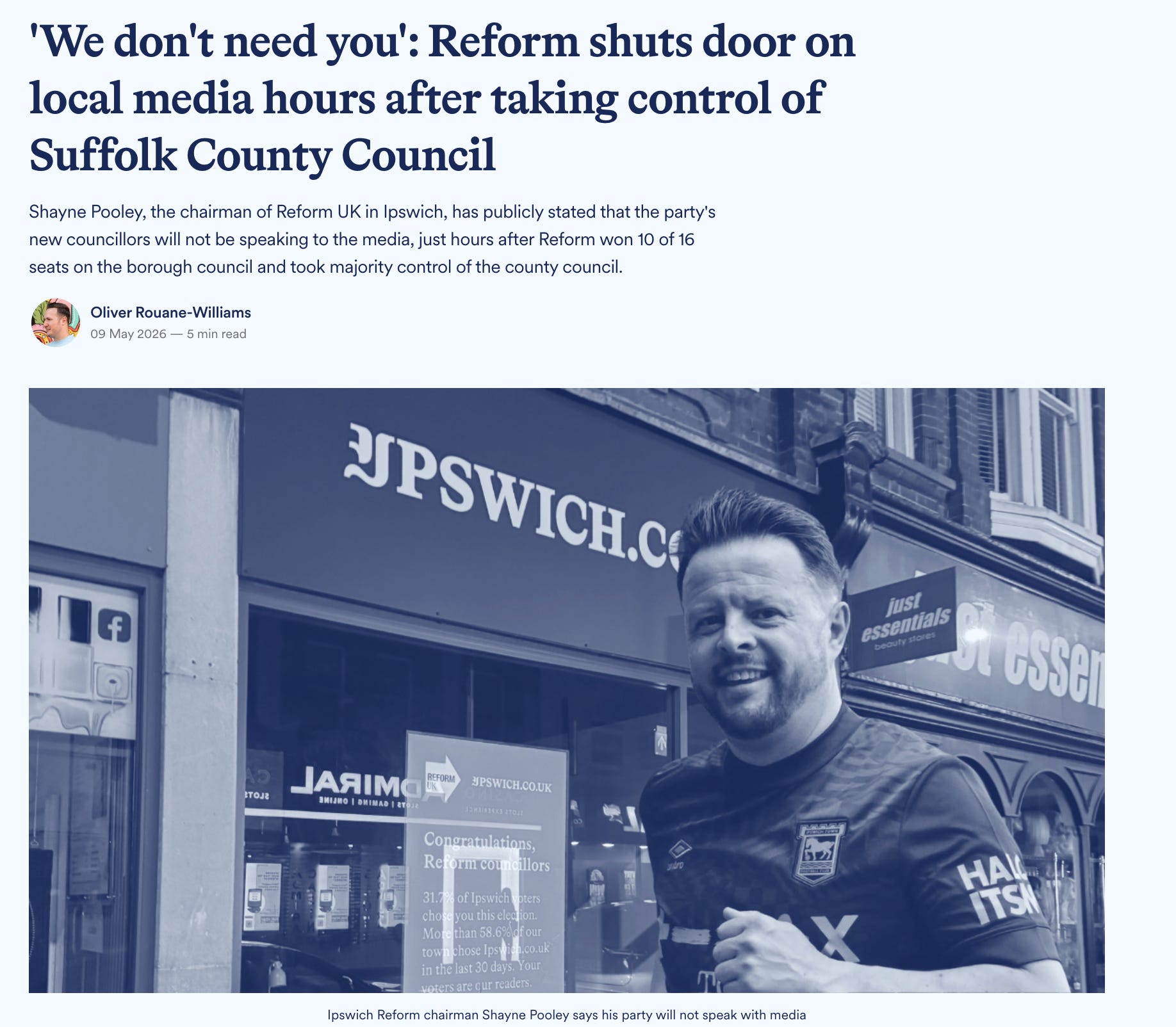
Just hours after taking control of Suffolk County Council, Reform UK’s newly-appointed leader Shayne Pooley, made his position on the local media clear to Oliver Rouane-Williams, founder and editor of the website.
Reform UK now run the county council - and they have no intention of opening themselves up to scrutiny from the local media, if Mr Pooley’s comments are anything to go.
Writing under a Facebook post by Ipswich.co.uk congratulating Reform UK on their victory, Mr Pooley said: “Voters can contact their councillors directly, no need to offer you a sound bite, we are not a paycheck for you, neither we or the voters need you,” was his response.”
Oliver told readers: “While it is astonishing that so soon after elections, the chairman of Ipswich Reform has publicly stated that the voters of Ipswich do not need a local news outlet that, in the last 30 days alone, was visited by more than 82,000 people, his statement is not really about Ipswich.co.uk at all. It is about whether scrutiny of elected leaders should be welcomed, tolerated, or refused.
“Reform, within hours of being elected, has refused it.”
Ipswich.co.uk is a little different to many local news titles, in that it is not only a news title, but it also has a mission to become ‘part of the solution’ for creating a better Ipswich. Mr Pooley, meanwhile told residents Reform UK would be ‘working towards making Ipswich a town you can all be proud of.’ Just not talking to local media outlets who also want to do the right thing by their area.
For journalists in Ipswich, this approach perhaps wasn’t a huge surprise, shocking as though it still is. Oliver told readers on Ipswich.co.uk at the weekend: “When approached by us on results day, a newly elected Reform councillor told us they wanted to engage with this publication but had been told they could not, and that they were only permitted to speak to GB News.”
A misunderstanding?
Could it be a misunderstanding on Reform UK’s part? Maybe. When Nottinghamshire County Council’s Reform UK leadership banned its councillors from talking to local journalists from NottinghamshireLive, it soon became clear that this was not a missive driven from the top of the party. Indeed, support for Nottinghamshire County Council from Nigel Farage’s team was tepid at best.
That ban - which took many guises as council leader Mick Barton backed himself into a very difficult spot locally - was eventually lifted after NottinghamshireLive went public on what was going on, and publisher Reach threatened legal action. But that’s very different from scrutiny being welcomed - recently a reporter from NottinghamshireLive was told there was no room on the press bench for her - so sent her to watch the meeting via laptop from another room.
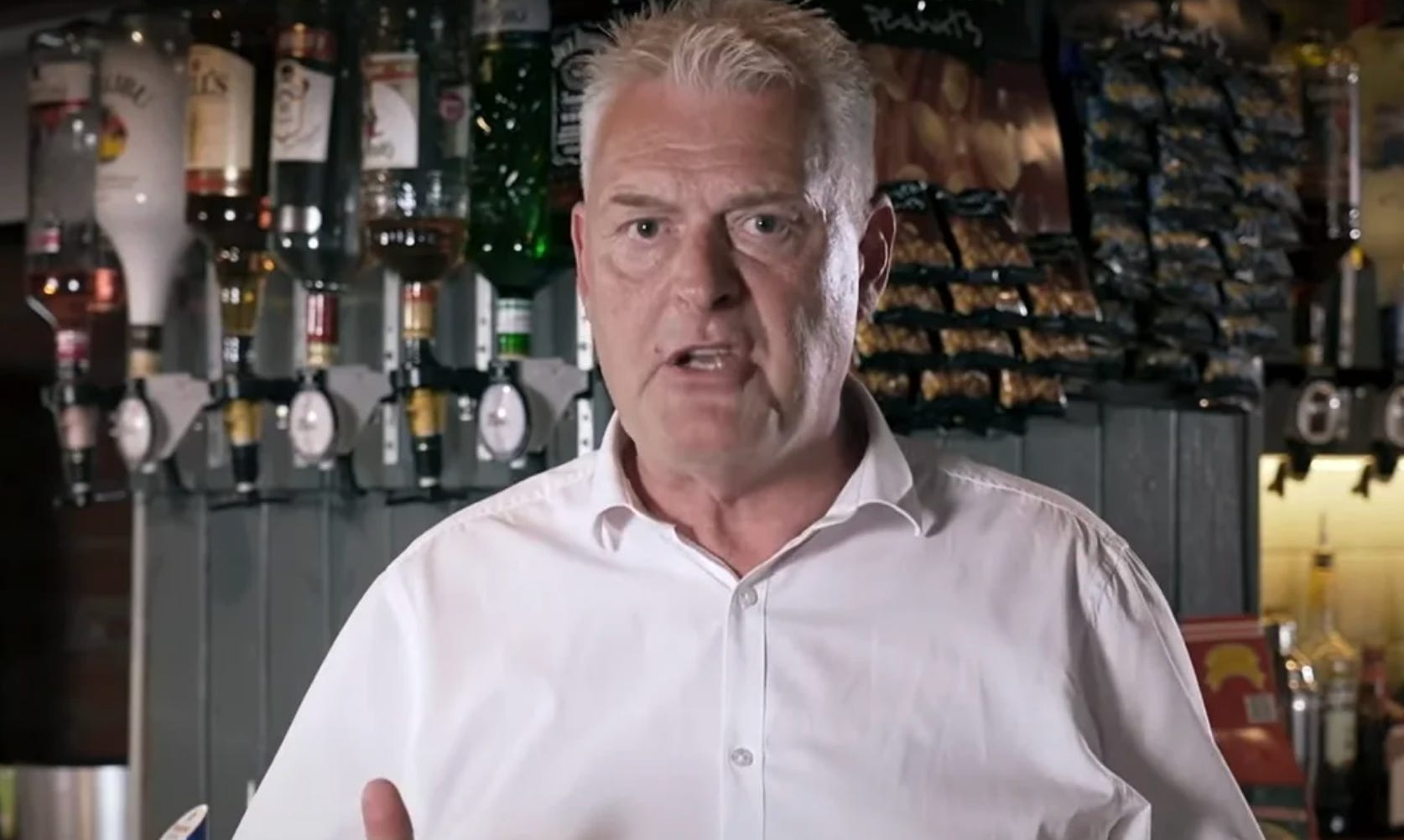
A key figure in the disquiet over local media appears to be Lee Anderson, himself a media presenter with his Real World show on GB News. Ahead of the ban in Nottinghamshire, Mr Anderson was often upset by NottinghamshireLive’s coverage of the authority - and claimed hundreds of people were registering their disquiet at coverage to him too.
Mr Anderson’s Facebook page claimed: “We will take our country back and these lefty out of touch low level so called journalists will have to go and get a proper job.” No details of the hundreds of complaints have ever been shared.
Lee’s Way?
It also turned out Mr Anderson was continuing his battle with the local press in the West Midlands during this month’s local elections.
The Express and Star reported how Mr Anderson told candidates in the Sandwell Council area not to talk to the press. Mr Anderson was unaware that local candidates had invited the Express and Star to the event.
He said: “Let me give you a word of advice, beware of the media, don’t speak to them, you’ve no need to, you’ve actually no need to speak to the papers, TV and radio at all.”
There were roars of laughter when it was pointed out that the Express & Star was in the room, and Mr Anderson continued: “Don’t talk to them, they’re not your friends, they’re here to trip you up, they’re here to catch you out, they’re looking for clicks that’s what they’re doing.
“We’ve noticed it in our area, the media are doing a Reform story every single day, now sometimes twice a day.
“Every single day they try, they’re frightened because there’s going to be a reckoning on Thursday.”
Mr Anderson then spoke to the Express and Star to defend his comments.
He said: “You’ve got a job to do, you’ve got a living to make, but what I will say to you is I think the Reform councils that we took over last May, especially places like Nottinghamshire and Kent and Lancashire were doing a crappy job, and people see through you know, they see what you’re trying to do.”
A brief history lesson
Of course, tensions between councils and local journalists is nothing new. The 2000s were punctuated with councils across the country launching their own newspapers, funded by public notices, so they could deliver their message, without the need for independent scrutiny, to local people in a manner which was, at best, heavily disguised as a newspaper.
Nor is it the sole preserve of Reform UK to make life difficult for journalists. One of the most-read articles ever on Behind Local News was penned by Jennifer Williams seven years ago, when she was political editor at the Manchester Evening News. In it, she described a growing tide of political attacks on journalists, including local reporters.
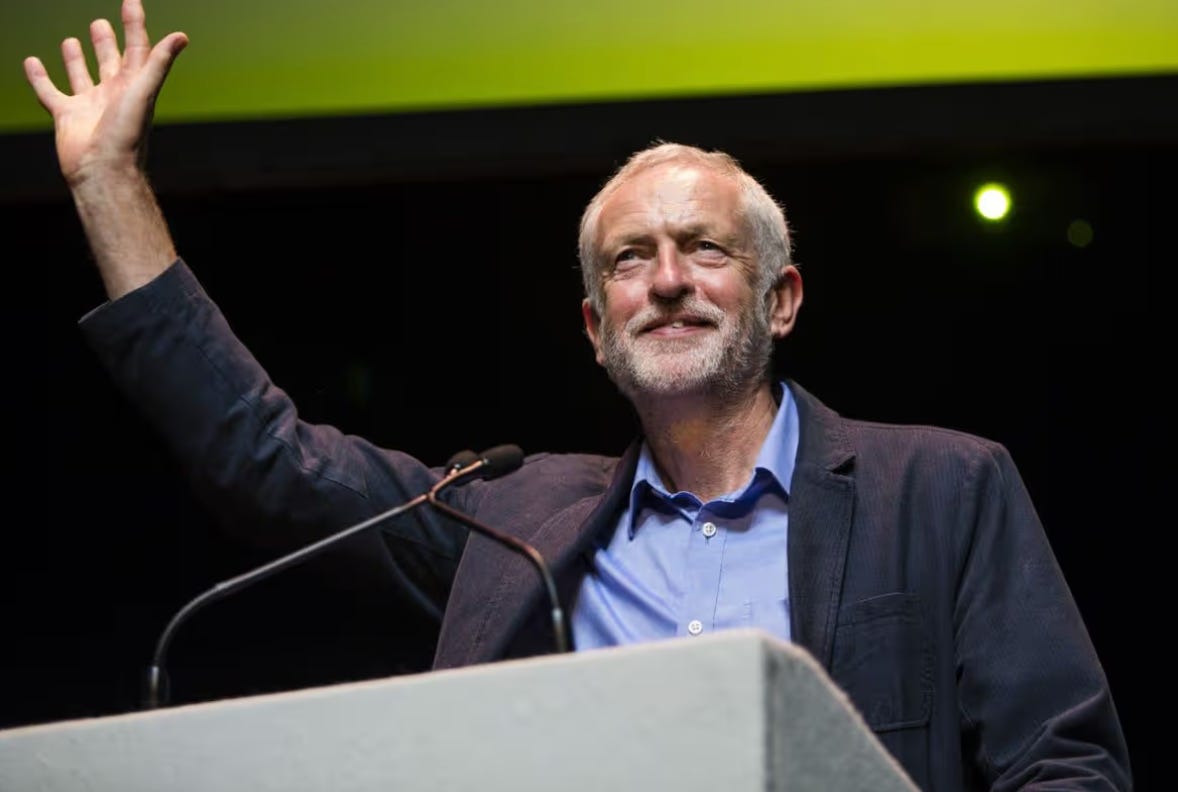
Jennifer wrote: “Two years ago, when Jeremy Corbyn held a huge leadership rally in Salford during his second leadership campaign, it was already in evidence. I listened while Corbyn told the crowd, sarcastically, how a significant Labour victory against UKIP a few days earlier had been ignored by the media. In response the faithful knowingly cheered this in-joke, in a shared understanding of a press that is deliberately not doing its job.
“Yet that victory turned out to be a narrow parish council by-election win in Ramsgate which, in fact, had indeed been covered. It had not been front page news, or probably even on the bulletins. Obviously. Because it was a narrow parish council by-election win.
“But it was a useful, unifying tactic, one that helped to cement the belief that the media are crooks, while stoking an us-versus-them narrative.”
It was far from a one off. Jennifer added: “In April 2018, I went to another Corbyn rally here. This time it was the launch of the party’s local election campaign in Trafford. As journalists got up to ask perfectly legitimate questions of Corbyn I heard hissing behind me.
“That hissing was not slapped down either from the platform or by anyone in the crowd, suggesting to me that, within the Labour party, this is increasingly both tacitly and socially acceptable — or at least not so unacceptable that anything needs saying.”
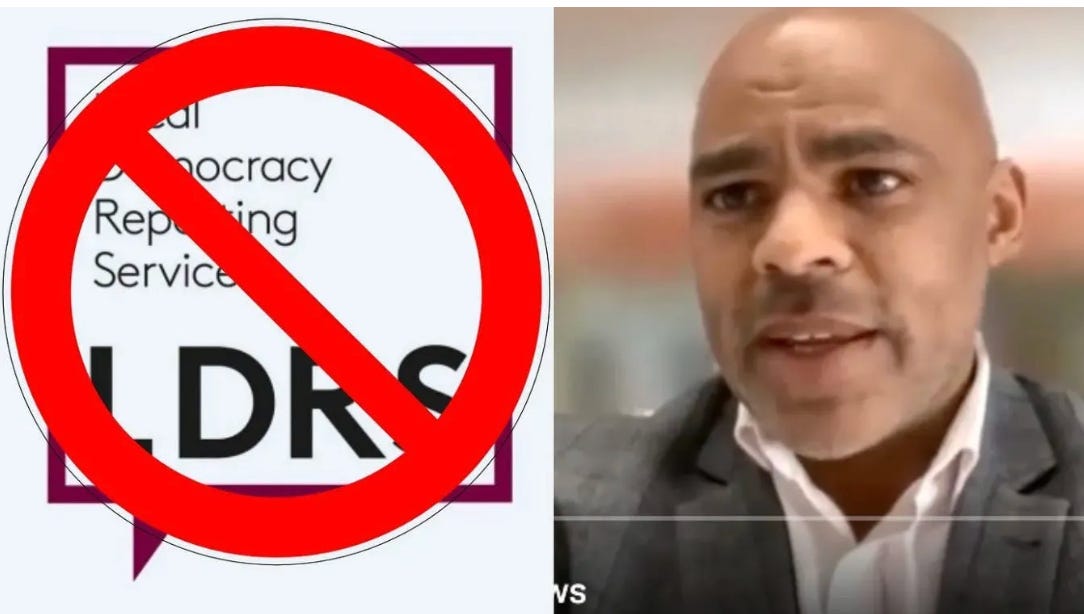
Then there was the long-running saga of Marvin Rees, the Labour mayor of Bristol who banned a local democracy reporter from attending his briefings after asking awkward, but very valid, questions about the logic of flying to Canada and back to deliver a 15-minute speech on climate change.
The Tories have had their moments too, of course. While Boris Johnson used to regularly tell the story about his love of local news forged on his time at the Wolverhampton Express and Star, that warmth didn’t extend to being available for interview where on the campaign trail, something Theresa May struggled with too.
And in 2023, senior Tories attacked the Yorkshire Post for having the cheek to investigate why lots of dead sea creatures were ending up on the beaches of Teesside.
Editor James Mitchinson had appealed via Twitter for readers to provide verification of photographs purportedly showing thousands of mussels and other dead sea creatures washed up on the coastline between the towns of Redcar and Marske.
To that end, and it’s perhaps an unpopular view within Reform UK, deputy leader Richard Tice was only borrowing from the Tory playbook this week when he attacked the Yorkshire Post’s journalism last week, when he accused the Post of producing ‘misleading twaddle’ in the form of an interview with him.
In it, Mr Tice had defended the party’s selection of a Sheffield City Council candidate accused of having praised the Nazis, saying “we’re all human”.
To which James Mitchinson said: “Smearing truth tellers is not just a tactic for some politicians. Nor is it a strategy. It’s in their DNA.”
Reasons to be hopeful?
It’s worth noting that some journalists Behind Local News has spoken to say they have enjoyed cordial relationships with Reform UK politicians. Some who covered the Denton and Gorton by-election, in which Matt Goodwin, a GB News colleague of Mr Anderson’s, was the Reform UK candidate, found him and his team always ready to speak (and take part in hustings, something else Mr Anderson has banned himself being involved in).
At Lancashire County Council, life has pretty much continued as normal since Reform UK took over, perhaps helped. by the fact the council leader there is a former Conservative council leader so knows the ropes, and knows how things should work.
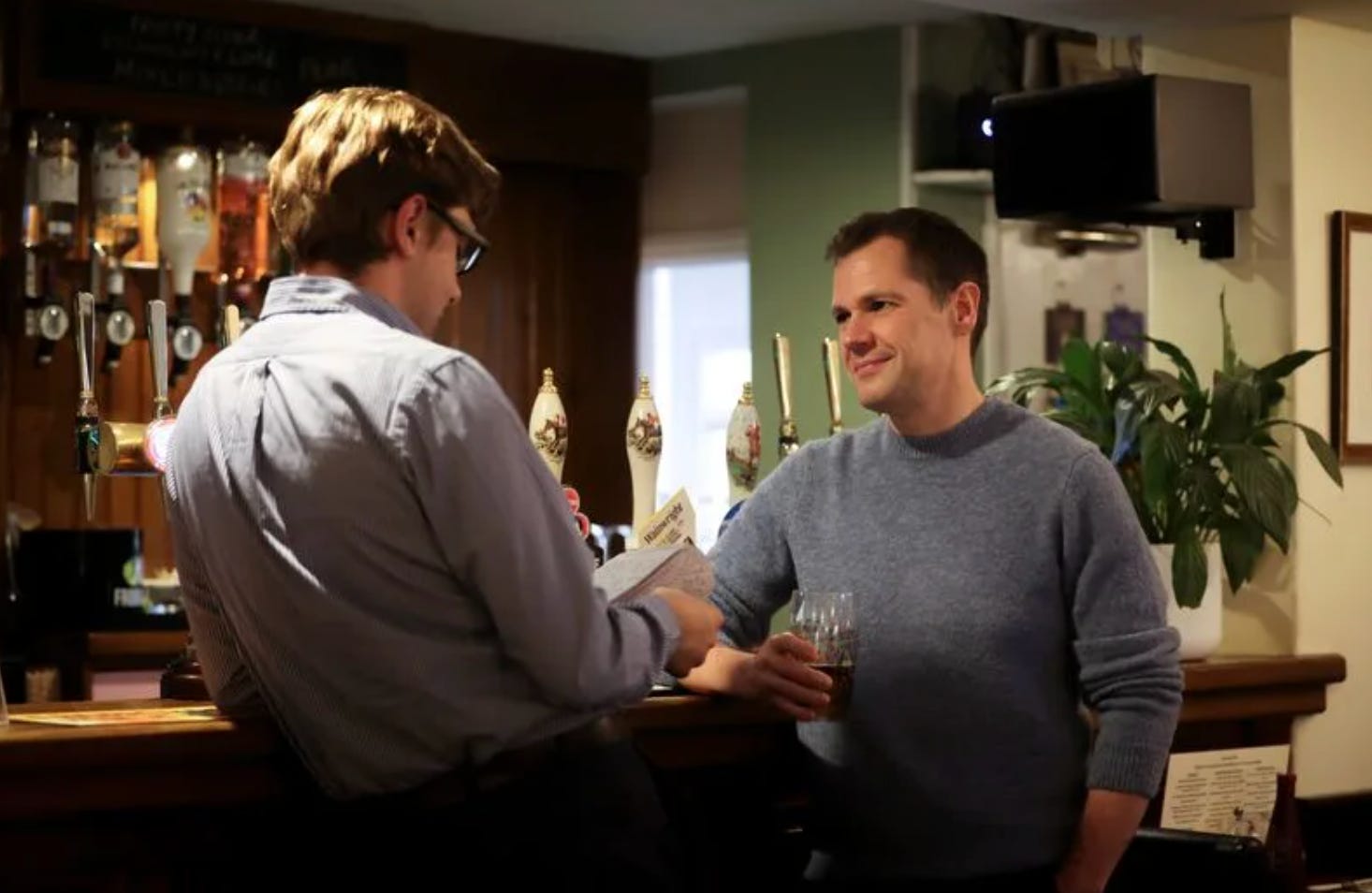
Natalie Fahy, the editor of NottinghamshireLive, also noted this week: “The one local exception to this [bullying Reform UK behaviour] is Newark MP Robert Jenrick, who has been building a good relationship with our reporters and as a result has highlighted some important issues in his constituency to a wider audience.”
So there is hope.
What to do next
But it is hard to escape a nagging sense that with Reform UK, all bets are off on how seriously the need for proper, local scrutiny of council decision will be taken.
Writing yesterday, Natalie said: “The early signs are that Reform’s big success is leading them to a place of arrogance. They think they are beyond criticism and don’t need to speak to the media or answer questions on behalf of the very people who voted for them.
“If you voted for Reform, you may be feeling that they can really change the country right now and you’ve got hope. We all need hope right now, and I understand.
“But at some point, you might want to know if the promises made on the election leaflet will actually ever be fulfilled, or where your council tax money is being spent, or why exactly the pothole you reported six months ago still can’t be fixed.
“Will you really then want to get this information straight from a politician’s Facebook page? Maybe you’d look there first but how would you then verify that information? Do you want to spend eight hours at a full council meeting or would you rather we do that for you and summarise what happened?
“Journalists need to stand up, keep asking and keep reporting when the questions refuse to be answered. Because I truly wonder what Reform has got to hide.”
We’ll be back on Friday with our regular weekly review…